
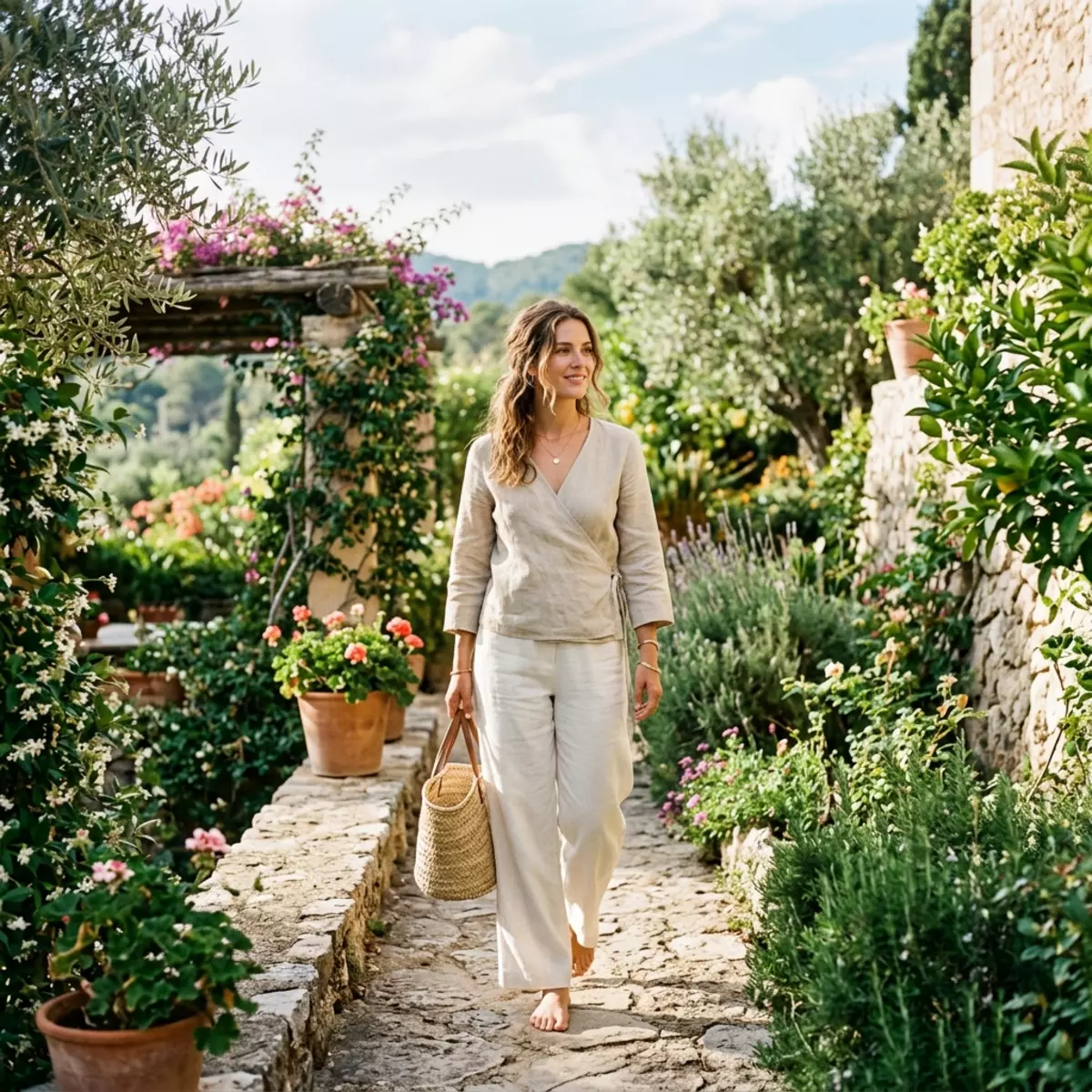
In 2026, conscious consumption has moved from a fringe movement to the ultimate symbol of status and intentional living. As global temperatures reach new highs, the focus of the luxury summer wardrobe has pivoted toward high-performance, biological fibers that offer superior thermoregulation while maintaining a 100% circular lifecycle. This is the era of "Eco-Chic"—where ethics are as meticulously tailored as the garments themselves.
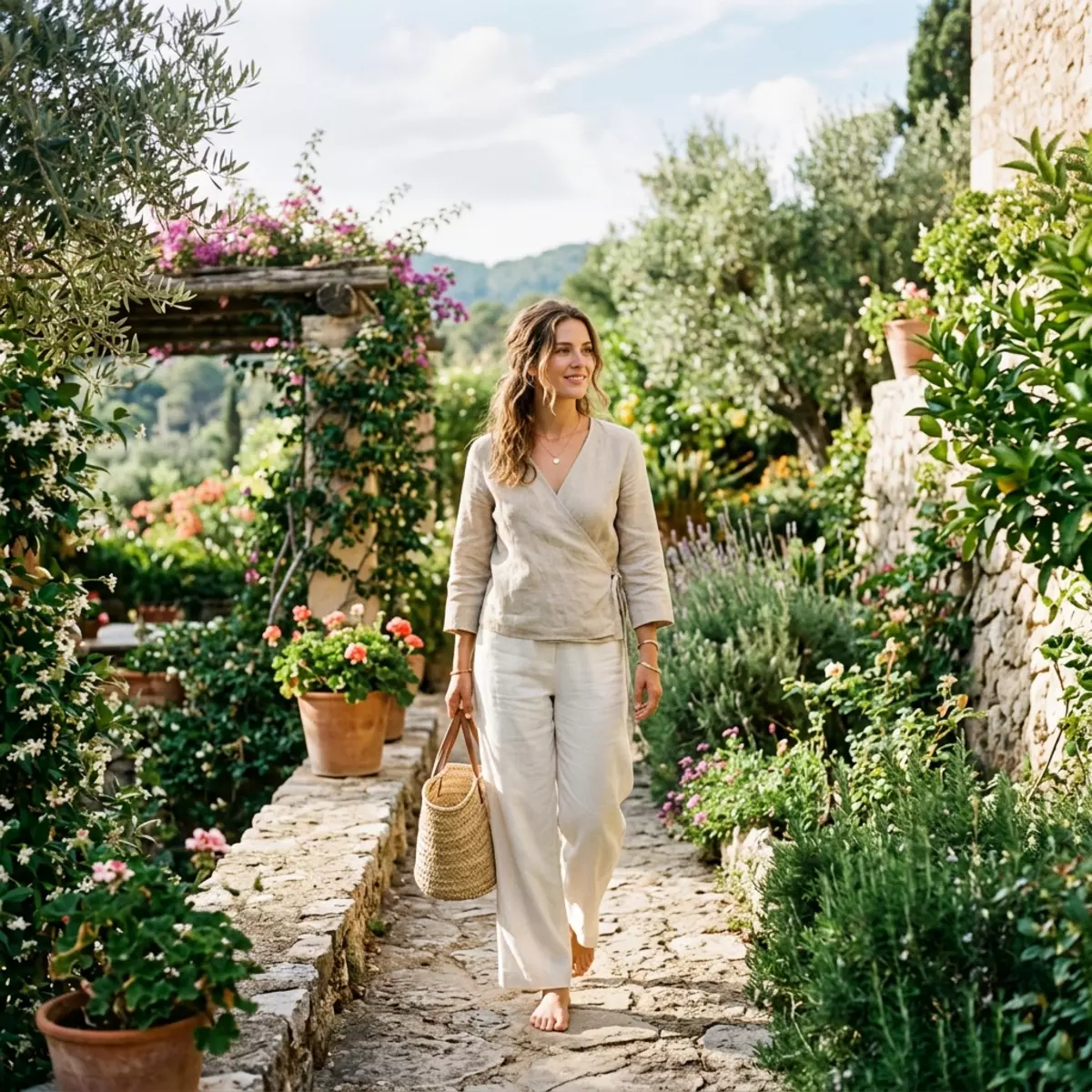
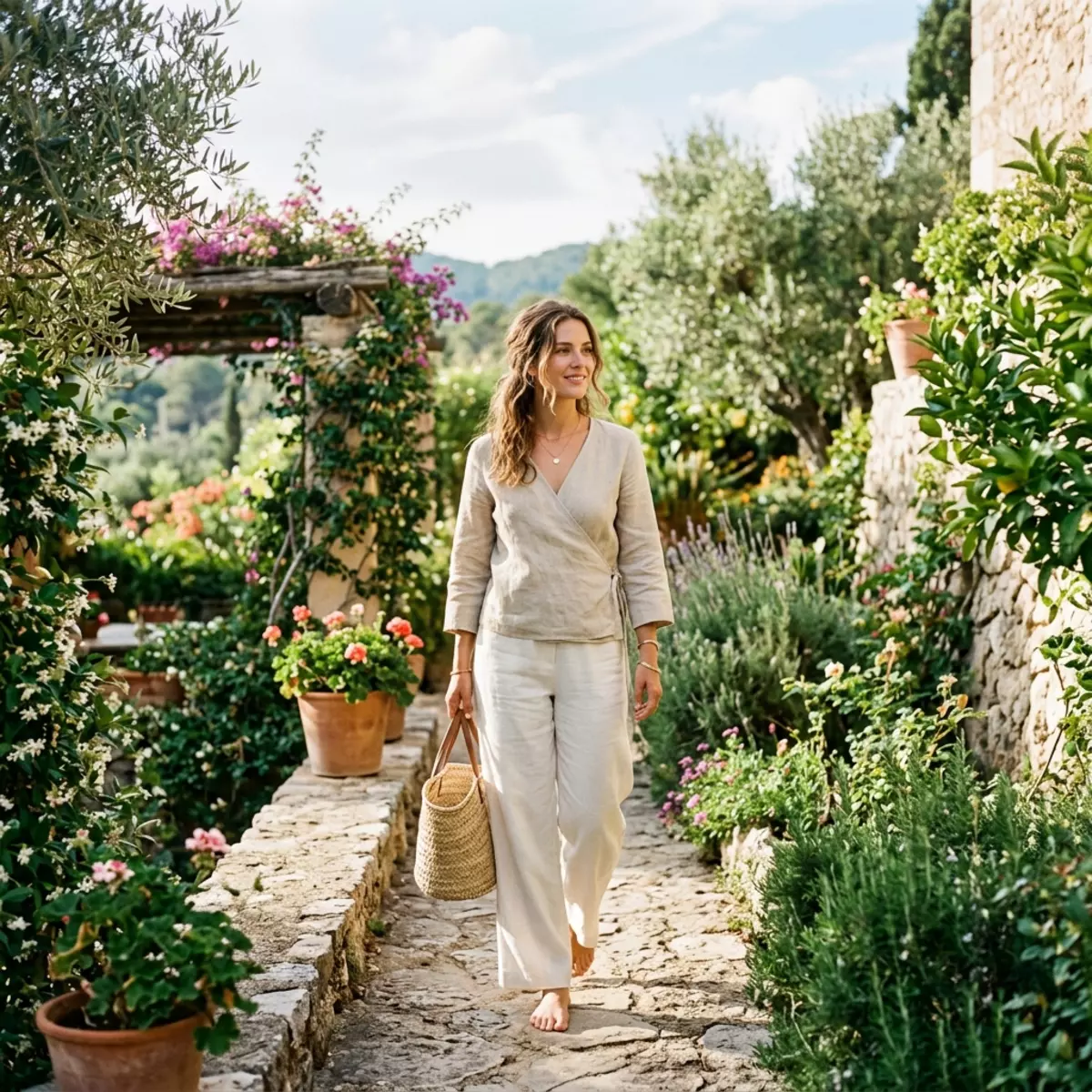
The new lightness: Regenerative linen and bio-silk silhouettes designed for 2026 heatwaves.
1. The Rise of Regenerative Textiles: Fabrics that Heal the Earth
The conversation has shifted from "Sustainable" (neutral) to "Regenerative" (positive). In 2026, the elite summer wardrobe is built on fabrics that actually improve the ecosystem from which they were harvested. We are talking about "Lotus Silk" and "Bio-Engineered Linens." Lotus silk, traditionally harvested in Cambodia and the North-East of India, has been refined via modern enzymatic processing to create a fabric that is naturally water-repellent and self-cooling.
These fibers are grown in "Carbon-Sink" farms—massive industrial wetlands that filter local water systems and provide habitat for endangered pollinators while producing the most luxurious fibers on the planet. When you wear a regenerative cotton shirt in 2026, you are wearing a piece of a rehabilitated forest. The "Hand-Feel" of these textiles is unlike anything from the 20th century; it is softer than cashmere yet cooler than the finest linen.
Essential Regenerative Fibers for Summer 2026:
- Lotus Silk: Superior luster to traditional silk with 4x the breathability and natural UV protection.
- Mycelium Leather: For summer accessories—sandals and totes—that are lightweight, breathable, and 100% biodegradable within 90 days of disposal.
- Seaweed-Enriched Hemp: A fabric that releases skin-nourishing antioxidants as it touches your body, preventing trans-epidermal water loss in extreme dry heat.

Optimizing the lifecycle: AI ensures minimal water usage from seed to store.
2. The Architecture of Cool: Bio-Climatic Design
Modern sustainable design isn't just about the material; it's about the geometry. "Bio-Climatic silhouettes" use laser-perforation patterns—calculated by AI—to create natural convection currents between the fabric and the skin. This means that even a long-sleeved tunic can feel cooler than a traditional cotton t-shirt.
Ethnickoti has noted the popularity of "Phase-Change Nanocoatings." These are plant-based waxes applied to linen that absorb heat during the peak of the day and release it as the evening air cools, providing a stable, comfortable body temperature across the entire summer day cycle. This reduces the need for heavy air conditioning in indoor spaces, further contributing to a sustainable lifestyle.
3. Circular Luxury: The Resort-Wear "Subscription" Buy-Back
The most prestigious luxury brands of 2026 have abandoned the wasteful "Seasonal Drop" in favor of the "Circular Collection." When a summer season ends, owners of premium resort-wear can return their items to the brand. These items are then Molecularly Refreshed—a process that cleans the fibers at the atomic level without using a single drop of water or toxic chemicals—to be redistributed in the verified pre-loved market or reconstituted into the next year's collection using molecular breakdown technology.
This has transformed the summer wardrobe from a collection of disposable "Goods" into a collection of "Services." You are no longer just buying a swimsuit; you are subscribing to a high-performance beachwear ecosystem. This model ensures that 0% of luxury summer fashion ends up in landfills. At Ethnickoti, we believe that the ultimate status symbol of 2026 is a garment that has been through three lifecycles and still looks brand new.
4. The Psychology of Summer Minimalism
Beyond the tech, there is a psychological shift toward "Intentional Minimalism." In 2026, the elite traveler carries a "Capsule of Ten"—ten versatile, sustainable pieces that can be combined into thirty different looks. This reduces decision fatigue and aligns with the global movement toward "Lighter Travel." Each piece is selected for its "Multi-Environment Utility"—equally at home at a beach club in Mykonos or a business dinner in Dubai. This is the pinnacle of the Eco-Chic mindset.
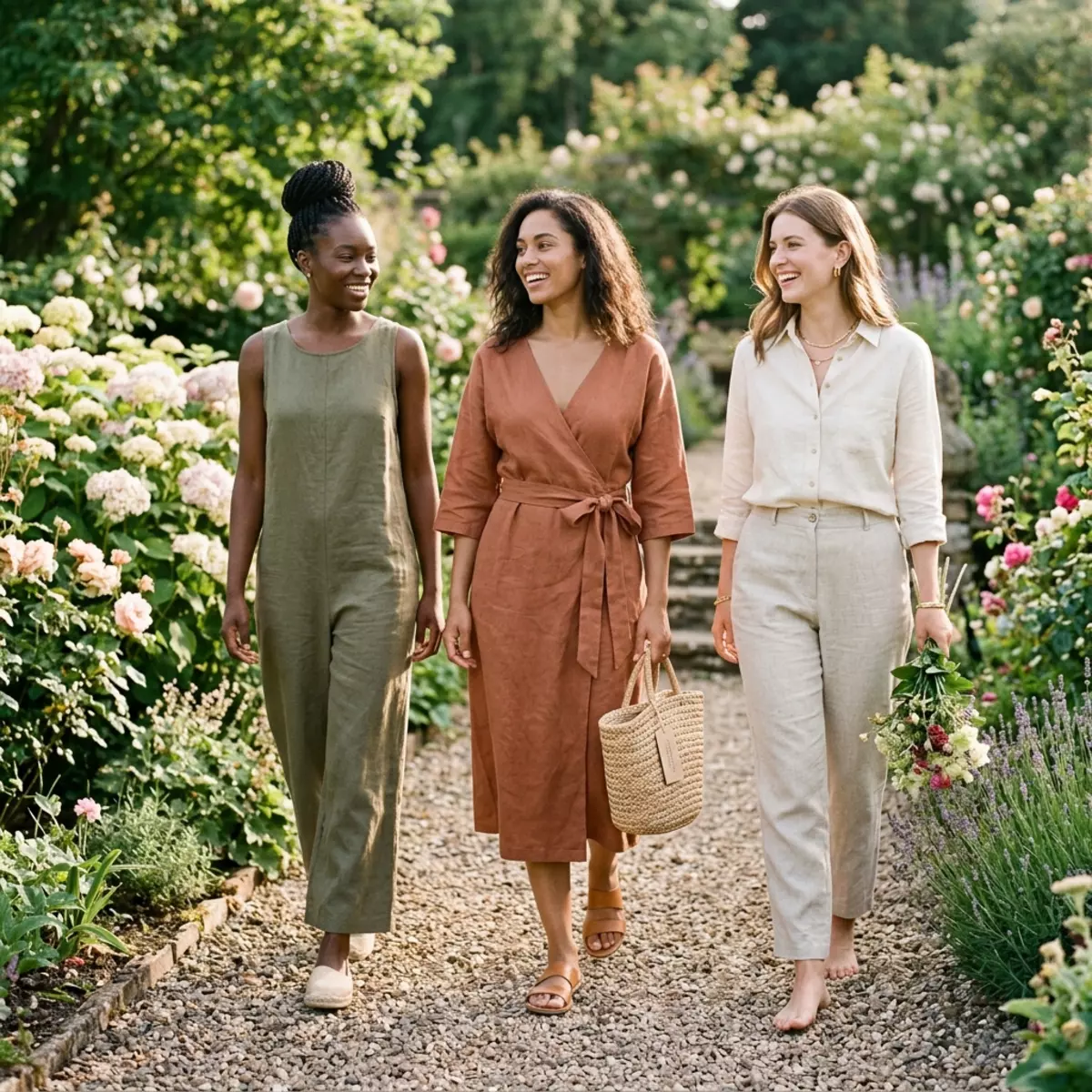
Total Transparency: Every thread has a story and a destination.
This has transformed the summer wardrobe from a collection of "Goods" into a collection of "Services." You are no longer just buying a swimsuit; you are subscribing to a high-performance beachwear ecosystem. This model ensures that 0% of luxury summer fashion ends up in landfills, solving one of the most persistent problems of the 20th-century fashion industry.
Sustainable Summer FAQ
What does 'Regenerative' fashion really mean?
Regenerative fashion refers to textiles grown in a way that positively impacts the environment—improving soil health, water quality, and biodiversity—rather than just minimizing damage.
Can sustainable fabrics handle extreme summer heat?
Yes, bio-engineered fibers like Lotus Silk and Seaweed-Hemp are actually more efficient at moisture-wicking and heat dissipation than traditional synthetic or low-grade cotton fabrics.
Is mycelium leather durable for beach bags?
Modern mycelium (mushroom) leather is treated with organic oils to make it saltwater resistant and highly durable, comparable to traditional cowhide but without the environmental cost.
How do I track my garment's impact?
Most 2026 sustainable garments include a "Digital Passport" (via NFC) that you can scan to see the exact water usage, carbon capture, and labor ethics associated with that specific item.
Conclusion: The Conscious Summer of 2026
As we navigate the summer of 2026, the choices we make in our wardrobe are a reflection of our global citizenship. Choosing regenerative fibers and circular brands isn't just about fashion—it's about a commitment to a future where high-performance luxury and ecological health coexist in perfect harmony. At Ethnickoti, we are honored to curate this cool, conscious, and vibrant new world for you. The future is light, and it is sustainable.
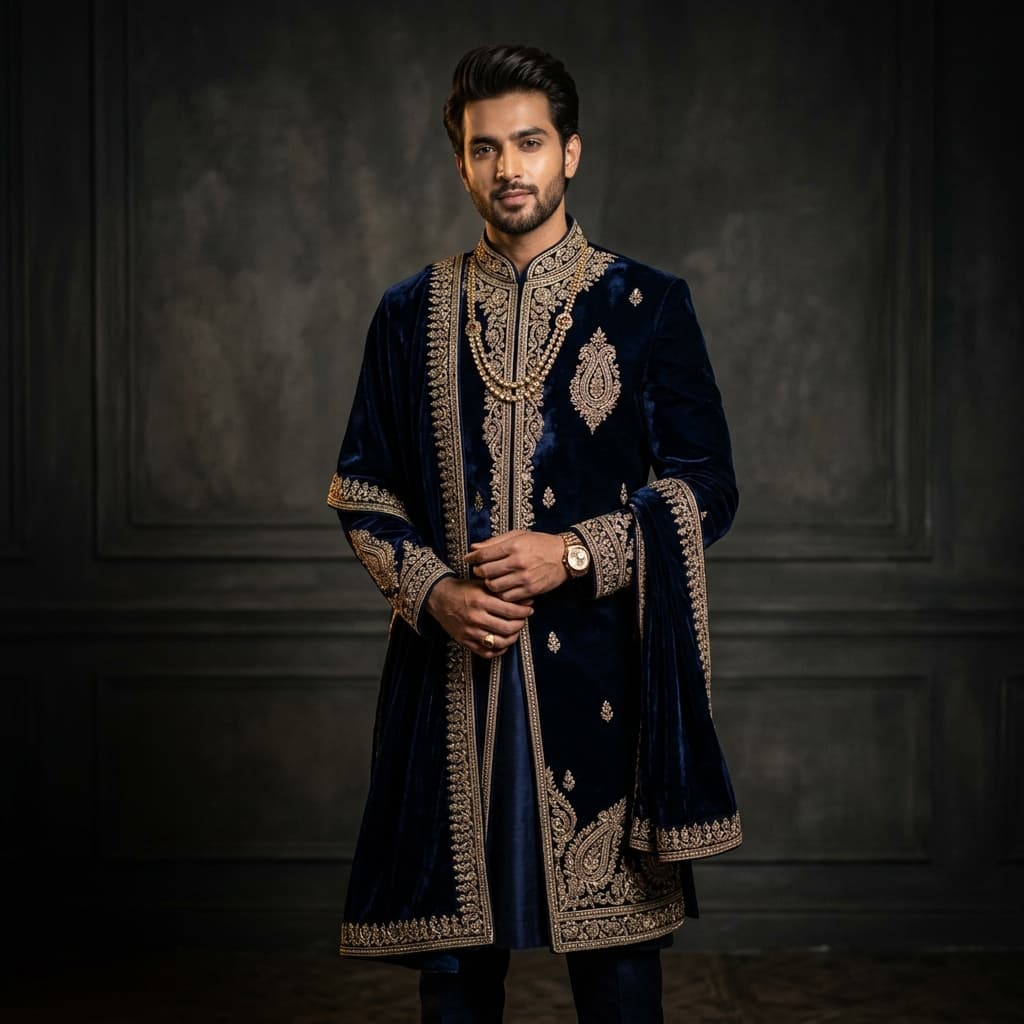
Manyavar Velvet Embroidered Sherwani
Exquisite deep navy velvet sherwani with handcrafted Zardosi embroidery. A timeless choice for grooms and high-profile festive events.
Ethnickoti Editorial. (2026). "The Elite Guide to a Sustainable Summer Wardrobe: Eco-Chic 2026". Ethnickoti Boutique. Retrieved from https://ethnickoti.com/blog/sustainable-summer-guide
Design Your Own Legend.
Order custom-tailored sherwanis, lehengas, and kotis crafted by master artisans.
Request Custom OutfitCurated Picks
You Might Also Like
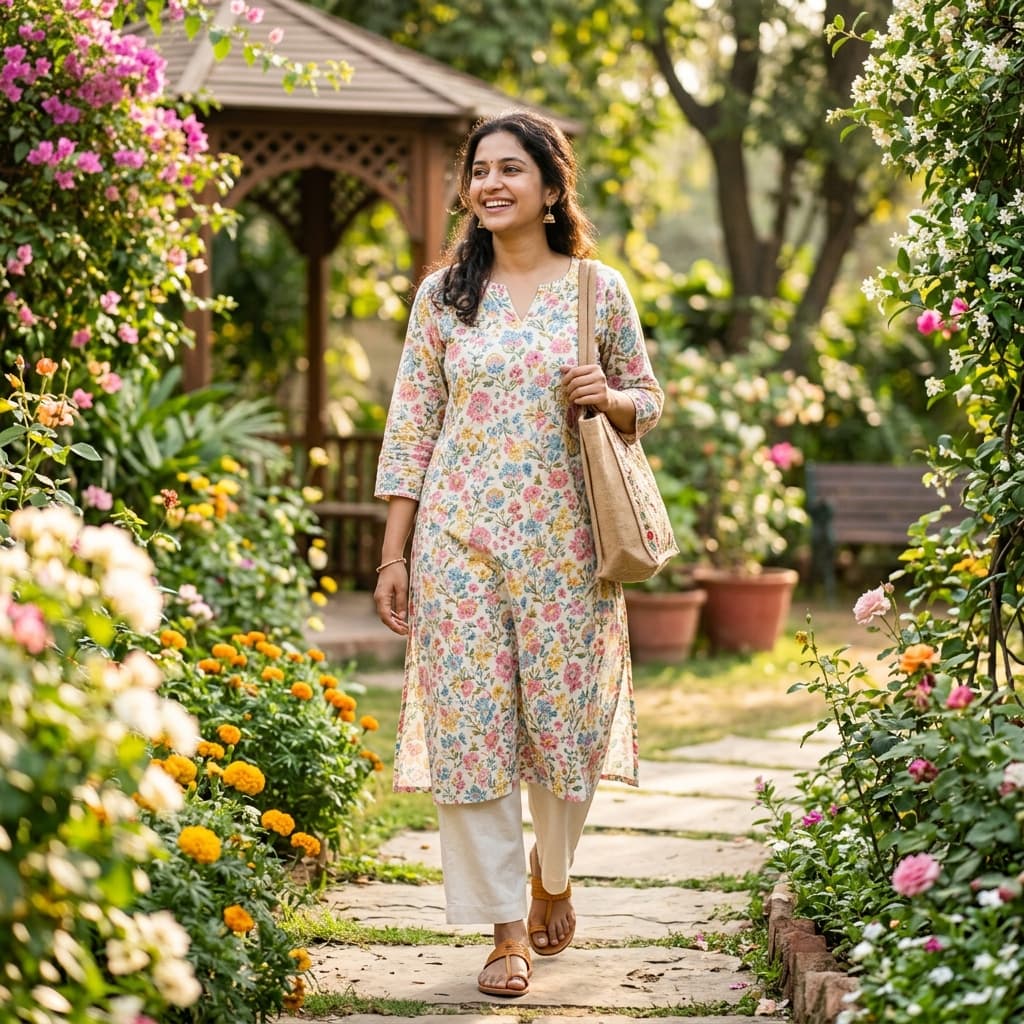
Affordable Ethnic Wear Guide 2026: Styling Kurtas Under ₹1999
Looking for a premium look without the premium price tag? Discover our top picks for affordable ethnic wear and kurtas under ₹1999 for 2026 with a deep-dive into fabric and silhouette.
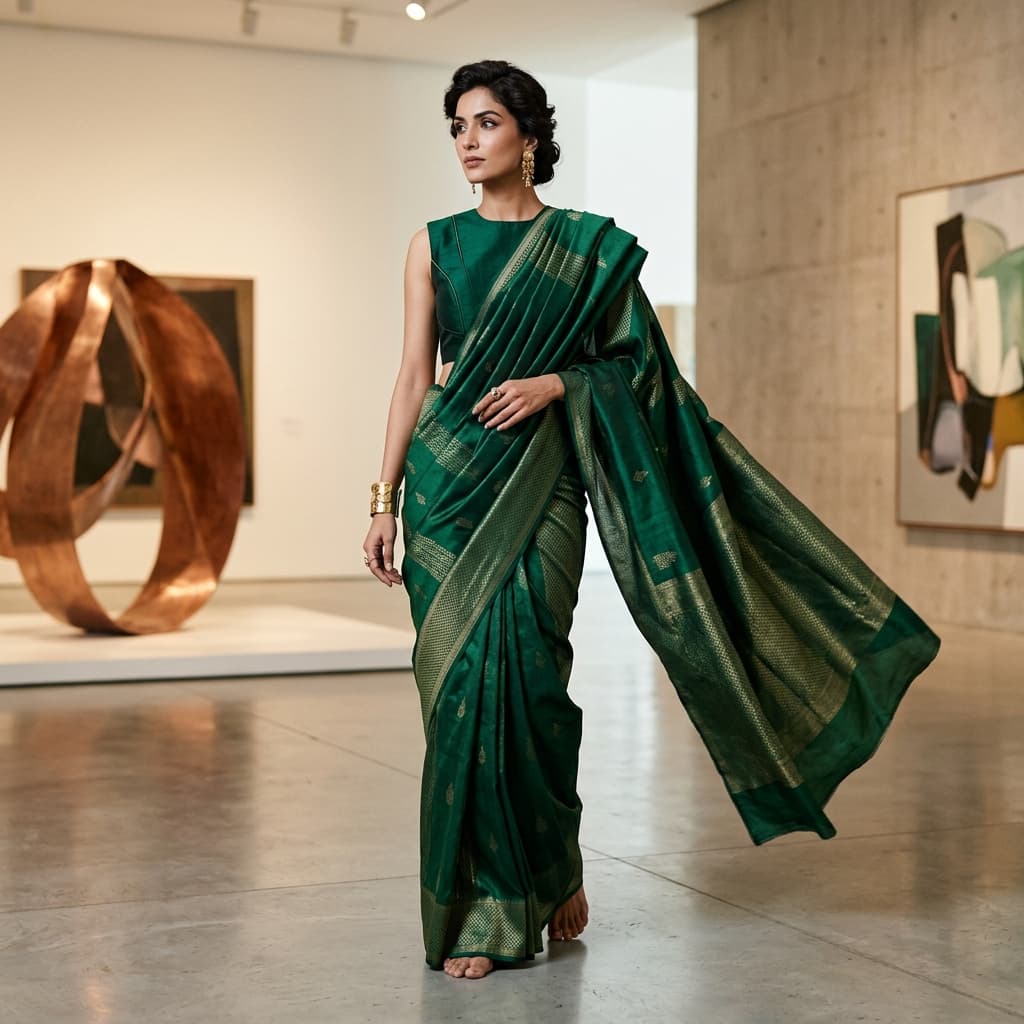
Sustainable Elegance: Hand-Woven Silk Saree Trends in India 2026
The saree is the ultimate canvas for sustainability. Discover how the 2026 fashion world is returning to the loom to create the highest form of conscious luxury with our 2000+ word expert guide.
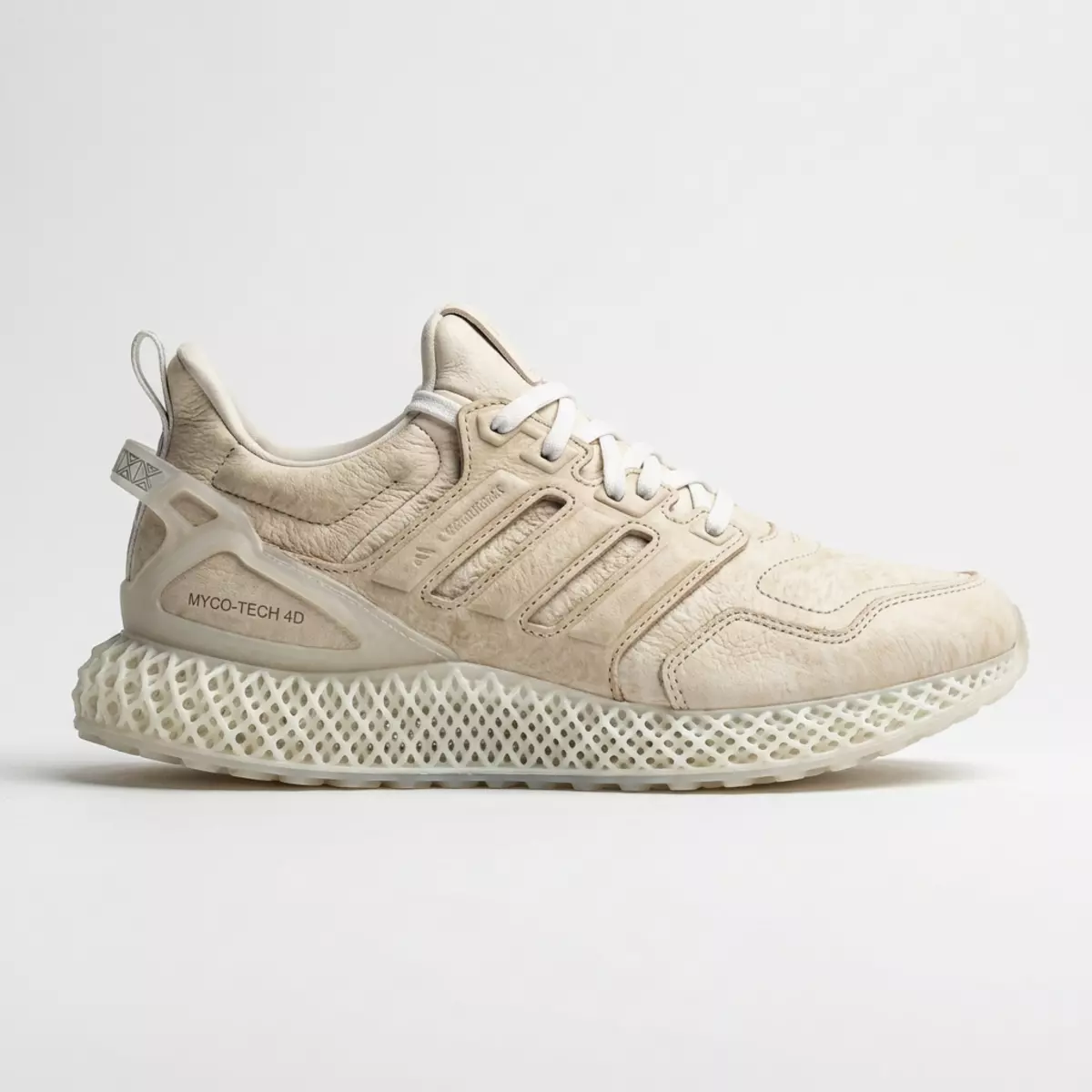
The High-Performance Evolution of Sustainable Footwear in 2026
From mushroom leather to 4D-printed energy-return soles, our 2000-word guide explores how sustainable footwear is outperforming traditional luxury.